
Selecting the Ideal Turf for Your Dog
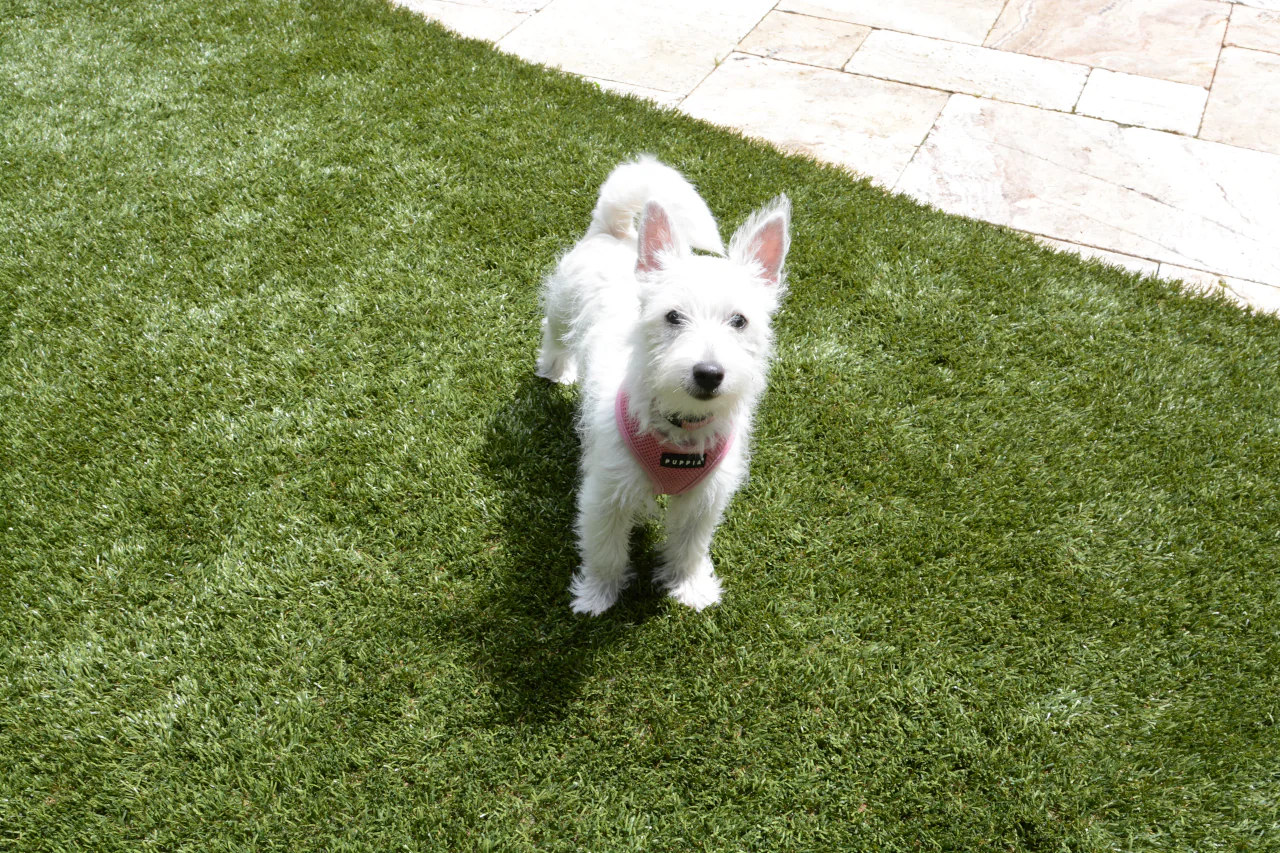
“Digging is my purpose.” — Your Dog
Q: My dog destroys everything. Is artificial turf tough enough for my dog?
A: Definitely… but only if you install a surface actually designed for pets. Here’s the thing: artificial turf for dogs is not the same surface you see on miniature golf courses. That means tightly stitched fibers that resist separating, heavy-duty backing that holds its position, and a drainage base that drains efficiently.
So what does that mean for your chaos machine? The grass recovers quickly after hard play, stays durable when a large dog comes running full speed, and — most importantly — prevents your yard from becoming that messy, muddy swamp you’re currently dealing with.
“I pee where I please.” — Yep, Your Dog Again
Q: Does fake grass for dogs handle all that… enthusiasm
A: It can. But you must have the proper installation. Good pet turf has a built-in drainage system (not just cheap perforations in the fabric—actual engineered drainage). Most also include antimicrobial technology to cut down on odors, which is a huge benefit if you’ve got more than one dog or a smaller yard.
When artificial turf installation is done right, liquids channel away from the turf surface very quickly. Fewer smells, better hygiene, no surprise odor disasters when people stop by. Your dog gets to run free, and you can stop stressing about potty spots.
“I’m a digging enthusiast. Can you stop me?”
Q: Can artificial grass prevent digging disasters?
A: Truthfully—no surface can totally defeat a committed digger. If your dog has decided there’s something exciting under that area of yard, they’re going to try. But a correctly installed layered turf system makes it way, way harder to dig through.
We’re talking about a compacted base, anchored edges, and sometimes even barriers along the borders. Combined with some enrichment toys and maybe a approved digging area, and you’ll see fewer craters in the lawn. Will it be 100% foolproof? No system is perfect. Will it be better than what you’ve got now? Definitely.
“How do you keep this place from smelling like… well, me?”
Q: Maintenance — how much effort are we talking?
A: Not as much as you’d think. Regular waste removal is required (just like natural lawns), and hosing down the turf every couple of days keeps things odor-free. For favorite potty spots—or if you’ve got a dog who likes to pee in the exact same corner every single time—an pet-safe enzyme solution does the trick.
Every once in a while, brushing the turf helps keep the grass looking full and soft under your dog’s paws. Think of it like fluffing a pillow for your four-legged athlete. It’s low effort, especially compared to fixing bald spots or constant muddy indoor messes.
“I need more space. Big dogs, remember?”
Q: Do I need professional artificial turf installation?
A: For big active dogs, absolutely. Pros ensure the base is properly prepared, drainage is right, edges stay put, and pet-friendly infill materials are installed. You avoid low spots, odors, and digging shortcuts — basically, more peace of mind, more play room for your pet.
When it’s done right, you avoid sagging spots and those loose seams where a motivated pup can get started. DIY can work for light-use zones, but for dogs who play nonstop? Save yourself the headache and trust an experienced installer.